
The 2025–2026 heating season in the capital began on November 3, 2025, in accordance with the order of the Bishkek City Hall.
The connection of the heating system is a gradual and technically complex process that requires time. We ask residents to understand the temporary specifics associated with supplying heat to homes.
How the heating system is started
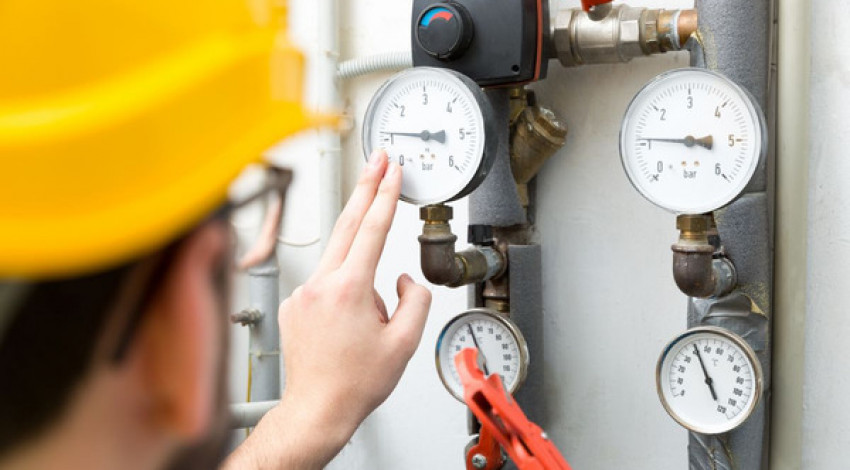
In the first days, specialists from the CHP plant, Bishkekteploset, and district services sequentially carry out technical activities:
assembling and checking the heating supply schemes;
opening valves on the heating networks;
starting pumping stations;
supplying the heat carrier to heating units and residential buildings;
eliminating possible leaks and damages.
In the following days, the system is adjusted and balanced so that heat is distributed evenly to all apartments—without underheating or overheating. This is a normal technological process that requires time and phased activation across districts.
What residents can do
Bleed air from radiators.
If you live on upper floors, check and, if necessary, open the Maevsky valves to remove trapped air. Accumulated air hinders the circulation of the heat carrier and can cause cold radiators.
Check insulation of windows and doors.
This will help retain heat and maintain a comfortable indoor temperature.
Temperature standards
The standard indoor air temperature in residential premises is at least +18°C.
The temperature of radiators is regulated depending on weather conditions: during warm weather, radiators may be less hot—this is a normal operating mode of the system.
In buildings with a single-pipe heating system, radiator temperatures may vary—this is a feature of the design, not a malfunction.
The start of the heating season is always accompanied by technical adjustments, so uneven heat supply in the first days is normal. All city hall services and heating organizations are working in enhanced mode to ensure stable heat supply throughout the city.
Thank you for your understanding!